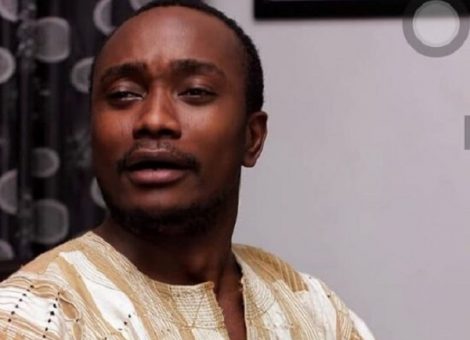
Nigerian singer, Brymo, has stirred reactions on social media following his controversial remarks on relationships and apology.
The ‘Ara’ crooner expressed the view that it is inappropriate for a man to apologise to a woman when she is at fault, insisting that such actions should not be encouraged.
He stated that men who apologise under such circumstances would face consequences, adding that such behaviour amounts to unnecessary suffering.
Brymo shared the opinion via his Instagram page, where the post quickly gained traction and generated widespread debate among followers and social commentators.
His remarks have since attracted mixed reactions, with some criticising the stance as insensitive, while others argued that relationship dynamics are often more complex than presented.
About Brymo
Brymo, whose real name is Olawale Ibrahim Ashimi, is a Nigerian singer, songwriter, and author known for his distinctive voice and deeply expressive music style.
Born on May 9, 1986, in Lagos State, Brymo began his music journey at a young age, developing a passion for storytelling through sound. He gained early recognition in the Nigerian music industry after featuring on the hit song Oleku by Ice Prince, which became a major success and brought him into the spotlight.
Brymo later rose to prominence with his own releases, particularly the song Ara, which showcased his unique blend of Afro-soul, folk, and traditional Yoruba influences. Over time, he carved a niche for himself as an unconventional artiste, often prioritising lyrical depth and artistic expression over mainstream appeal.
He was formerly signed to Chocolate City but eventually parted ways with the label, choosing an independent path that allowed him full creative control over his music.
Throughout his career, Brymo has released several critically acclaimed albums, earning a reputation for producing thought-provoking songs that explore themes such as identity, love, society, politics, and personal growth.
Beyond music, he is also known for his bold opinions on social and cultural issues, which have at times generated public debate and controversy.