
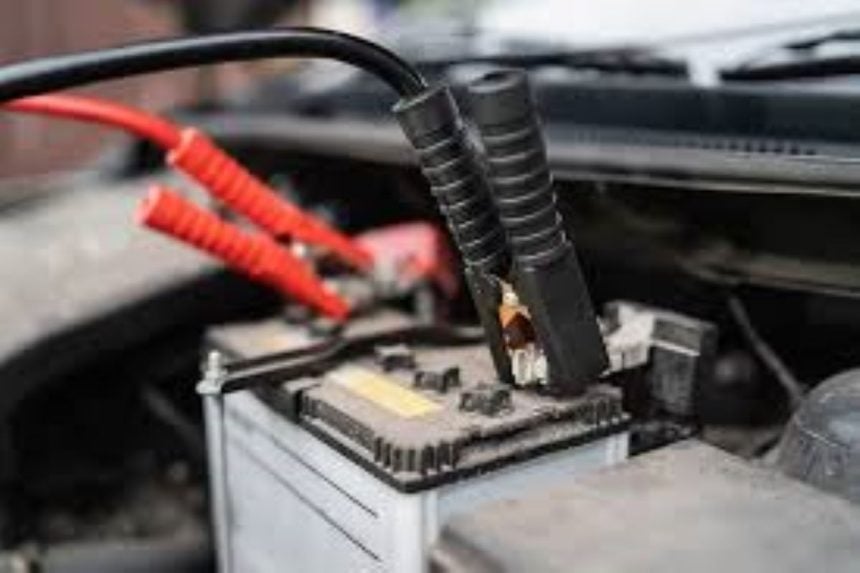
Your car battery is one of the most important components of your vehicle, yet it is often the most neglected. Many drivers only remember the battery when the car refuses to start, usually at the worst possible time. The truth is, most battery failures do not happen suddenly. They are caused by everyday habits and conditions that gradually weaken the battery over time.

If you want to avoid being stranded and spending money on frequent replacements, it is important to understand what really kills your car battery.
Below are eight common things that destroy your car battery faster than you think.
1. Leaving Lights and Electronics On
One of the quickest ways to drain your car battery is by leaving your headlights, interior lights, or electronics on when the engine is off. Even something as small as a cabin light can drain the battery overnight.
Modern cars come with warning systems, but they are not always reliable. If this habit becomes frequent, your battery will lose its ability to hold charge properly, leading to early failure.
2. Frequent Short Trips
Short trips may seem harmless, but they can slowly damage your battery. When you start your car, the battery uses a lot of energy. The alternator is supposed to recharge it while you drive.
However, if your trips are too short, the battery does not get enough time to recharge fully. Over time, this constant partial charging weakens the battery and reduces its lifespan.
3. Extreme Weather Conditions
Both heat and cold can negatively affect your battery. In hot climates, high temperatures cause battery fluid to evaporate, which damages the internal structure.
In cold weather, the battery loses power and struggles to start the engine. If you live in a place with extreme temperatures, your battery is under constant stress, making it wear out faster.
4. Corroded Battery Terminals
Corrosion around the battery terminals can interrupt the flow of electricity. This makes it harder for your car to start and puts extra strain on the battery.
If not cleaned regularly, corrosion builds up and reduces the battery’s efficiency. You may notice white or bluish powder around the terminals, which is a clear sign that maintenance is needed.
5. Poor Charging System
Your car battery depends on the alternator to stay charged. If the alternator or voltage regulator is faulty, the battery may be undercharged or overcharged.
Both situations are harmful. Undercharging leaves the battery weak, while overcharging can damage it internally. Regular vehicle checks can help detect these issues early.
6. Using Electronics While Engine Is Off
Charging your phone, playing music, or using the air conditioning while the engine is off can slowly drain your battery.
Many people do this while waiting in their cars, not realizing the damage it causes. Repeating this habit often reduces the battery’s strength and lifespan.
7. Old Age
Like every other component, car batteries have a lifespan. Most batteries last between two to five years, depending on usage and maintenance.
As the battery gets older, it loses its ability to hold charge. Ignoring the signs of an aging battery, such as slow engine start or dim lights, can lead to sudden failure.
8. Loose or Faulty Connections
Loose battery cables can interrupt the connection between the battery and the vehicle. This can cause inconsistent power flow and difficulty in starting the car.
Over time, this instability puts stress on the battery and other electrical components. Ensuring that connections are tight and secure can prevent unnecessary damage.
Your car battery may seem like a small part of your vehicle, but it plays a big role in keeping everything running smoothly. The good news is that most battery problems can be avoided with simple habits and regular maintenance.
Always turn off lights and electronics when not in use, avoid too many short trips, and check your battery condition regularly. Paying attention to these small details can save you from unexpected breakdowns and costly replacements.
Taking care of your car battery is not just about convenience. It is about ensuring safety, reliability, and peace of mind every time you hit the road.