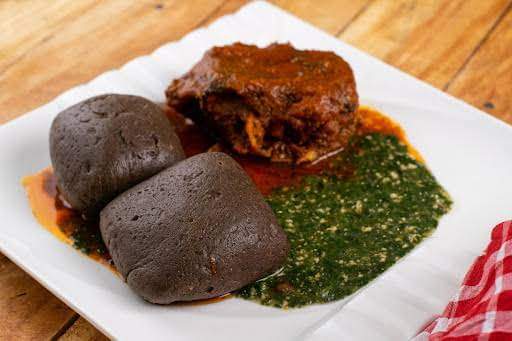
Eating healthy in Nigeria in 2026 is entirely possible even when money is tight. Food prices remain high due to inflation, fuel costs, and import dependency, but local, seasonal, and minimally processed foods are still affordable and nutritious.
The average Nigerian household spends 50–70% of income on food, so smart planning is essential to balance nutrition, cost, and taste.
This guide shows you how to eat balanced, healthy meals on a tight budget (₦5,000–₦12,000 per week per person, depending on family size and location).
It includes realistic weekly meal plans for different budgets, shopping lists, cooking tips, portion control, and where to buy cheapest in 2026.
All prices are approximate averages from major markets (Lagos, Abuja, Port Harcourt, Kano, Enugu) in early 2026.Why Healthy Eating Matters on a Budget in NigeriaPoor diet contributes to rising cases of diabetes, hypertension, obesity, and fatigue among young Nigerians.
Eating balanced meals with adequate protein, vegetables, healthy fats, and complex carbohydrates improves energy, concentration (important for job seekers and students), immunity, and long-term health.
The good news: Nigeria’s local foods, beans, yam, cassava, plantain, vegetables, fish, groundnut, eggs, are nutrient-dense and usually cheaper than imported or processed options.
Core Principles of Budget Healthy Eating in 2026
- Prioritize local and seasonal foods (cheaper and fresher).
- Buy in bulk where possible (markets, wholesalers).
- Plan meals weekly to avoid waste and impulse buys.
- Cook at home almost always — eating out is expensive.
- Use affordable protein sources (beans, eggs, fish, groundnut).
- Stretch expensive items (e.g., small amount of fish/meat in stew).
- Reduce refined sugar, soft drinks, and excessive oil.
Weekly Budget Meal Plans (3 Levels)
Level 1: Very Tight Budget (~₦5,000–₦7,000/week per person)
Focus: Survival-level nutrition with maximum local staples.Daily calorie target: ~1,800–2,200 kcal
Weekly shopping list (approx. prices, Lagos market 2026):
- Beans (brown or honey) – 2 kg – ₦1,200
- Yam – 4 medium tubers – ₦1,000
- Garri – 2 kg – ₦600
- Palm oil – 1 litre – ₦800
- Ugu or spinach – 4 bunches – ₦600
- Tomatoes – 1 basket – ₦800
- Onions – 10 pieces – ₦400
- Pepper – 10 pieces – ₦400
- Eggs – 1 crate (30) – ₦2,000
- Groundnut – 1 kg – ₦600
- Seasoning (Maggi, salt, curry) – ₦300
Sample Weekly Menu (7 days):
- Breakfast (all days): Boiled yam + vegetable stew (ugu + tomato + onion + little palm oil) or garri + groundnut paste.
- Lunch: Beans porridge with palm oil and vegetables or yam pottage.
- Dinner: Boiled beans + garri + vegetable stew or egg stew with garri.
Snacks: Roasted groundnut, boiled egg, fruit (banana/orange when cheap).
Total cost: ~₦6,100–₦6,800/week
Nutrition: High in fibre, protein (beans, eggs), vitamins (vegetables), healthy fats (palm oil in moderation).
Level 2: Moderate Budget (~₦8,000–₦10,000/week per person)
- Add variety and better protein.Additions to shopping list:Titus/mackerel fish – 1 kg – ₦2,000–₦2,500
- Chicken (local) – 1 kg – ₦2,000–₦2,500
Rice – 2 kg – ₦1,200 - Plantain – 1 bunch – ₦800
- Extra vegetables – ₦500
Sample Weekly Menu:
- Breakfast: Boiled plantain + vegetable stew or yam + egg stew.
- Lunch: Beans and plantain or rice and vegetable stew with fish/chicken (small portion)
- Dinner: Yam porridge, beans porridge, or rice with stew.
Snacks: Boiled egg, roasted plantain, groundnut, banana.
Total cost: ~₦9,000–₦10,000/week
Nutrition: Better protein variety, more micronutrients.
Level 3: Comfortable Budget (~₦11,000–₦15,000/week per person)
More protein, fruits, variety.
Additions:
- More fish/chicken – ₦4,000–₦5,000
- Fruits (orange, pawpaw, watermelon) – ₦1,000–₦2,000
- Oats or millet – ₦800
- Milk (powdered) – ₦1,000
Sample Weekly Menu:
- Breakfast: Oats + milk + banana or boiled yam + egg + vegetable stew.
- Lunch: Rice + beans + fish stew or jollof rice + chicken.
- Dinner: Plantain porridge, vegetable soup + swallow (garri or pounded yam).
- Snacks: Fruits, groundnut, boiled egg.
Total cost: ~₦12,000–₦14,000/week
Nutrition:Balanced macros, higher vitamins/minerals.
Weekly Shopping Tips in 2026
Shop early morning (5–9 AM) in major markets (Mile 12, Oyingbo, Bodija, Wuse Market) for freshest and cheapest produce.
- Buy in bulk: beans, rice, garri, yam, onions, tomatoes (store properly).
- Buy seasonal vegetables/fruits — they are 30–50% cheaper.
- Avoid supermarkets for staples (more expensive).
- Join buying groups (family, church, colleagues) to share bulk purchases.
Use reusable bags to save on nylon costs.
Cooking & Portion Tips
- Cook in bulk (2–3 days’ worth) to save gas/time.
- Use small amounts of expensive ingredients (e.g., 1 small fish in stew for 4 people).
- Stretch proteins: combine beans + small fish/egg/meat.
- Reduce oil: Use palm oil sparingly; steam/boil when possible.
- Season well: Maggi, curry, thyme, garlic, ginger improve taste without cost.
Common Mistakes to Avoid
Buying processed foods (noodles, biscuits, soft drinks), expensive and low nutrition.
- Eating out frequently, one plate of food outside costs what could feed you for 2–3 days.
- Throwing away leftovers — reheat and eat the next day.
- Skipping breakfast — leads to overeating later.
Extra Resources in 2026
- Free nutrition guides: Federal Ministry of Health website, WHO Nigeria materials.
- YouTube channels: Nigerian creators (e.g., SisiYemmie, All Nigerian Foods) for budget recipes.
- Local markets: Ask traders for cheaper “market leftovers” at closing time.
- Community support: Join church/mosque food cooperatives or buying groups.
Eating healthy on a budget in Nigeria in 2026 is achievable with planning, local foods, and smart habits. Consistency in these practices leads to better energy, fewer illnesses, improved mood, and long-term health,all while keeping costs low.