
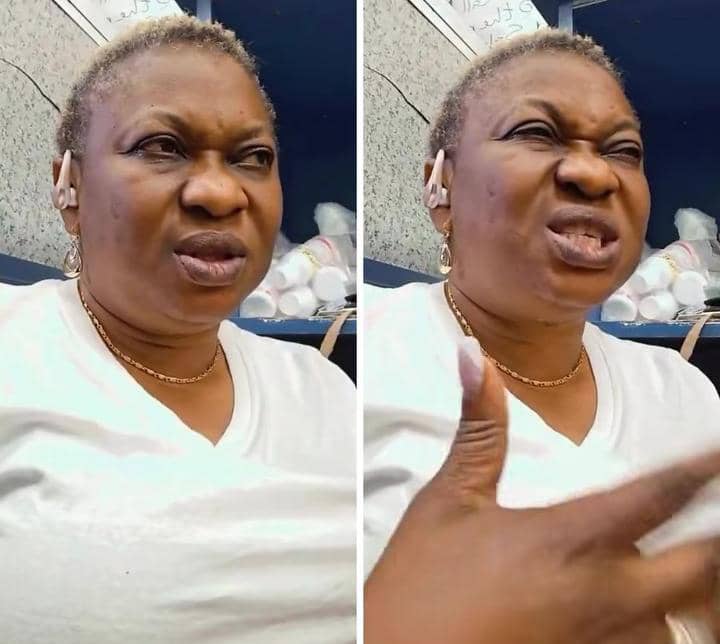
A Nigerian woman living in the United States has expressed frustration over the financial and immigration challenges confronting some immigrants, saying many people who have spent decades in the country still struggle to achieve significant financial security.

The woman, who made her concerns known in a video that has gone viral on social media, said she was tired of America amid what she described as worsening conditions for immigrants.
According to her, many Nigerians and other immigrants who have lived in the United States for more than two decades may still be unable to boast of $100,000 in savings.
She said the situation had become increasingly difficult for immigrants and questioned how many people who had spent more than 20 years in the country could claim to have $100,000 in savings.
The woman said many immigrants had spent years working and investing their time, money and other resources in the United States without achieving the level of financial stability they had anticipated.
She explained that her concerns did not necessarily mean that she wanted to return to Nigeria, but were largely connected to the current economic and immigration environment in the United States.
She urged immigrants to remain informed about developments affecting their status and rights, particularly as immigration policies and legal requirements continue to generate concerns among immigrant communities.
The woman also advised immigrants to follow reputable immigration lawyers and other credible sources for accurate information, noting that some developments might not receive widespread attention in mainstream media.
According to her, the difficulties faced by some immigrants had also made returning to their home countries complicated, particularly for those who might no longer have the financial resources to establish themselves again.
She said returning to Nigeria was not necessarily the problem, but many immigrants might lack the financial capacity to start over and become established.
The woman also appealed to Nigerians living in Africa and Europe to reconsider the financial expectations placed on relatives living in the United States.
She said the assumption that Nigerians living in America were automatically financially comfortable could place additional pressure on immigrants who might themselves be struggling to meet their financial obligations.
The woman urged families to show greater understanding towards relatives abroad, particularly those dealing with rising living costs, immigration-related uncertainty and other financial obligations.
She also expressed concern that some immigrants could spend many years in the United States without achieving the financial independence they initially expected when they left their home countries.
Her comments have sparked discussions online about the realities of life for immigrants in the United States, particularly the gap between perceptions of wealth abroad and the financial challenges some immigrants face.
The woman urged Nigerians to remember their loved ones living in the United States in their prayers.